Growing Knowledge, Living Soil & Local Food Through Korean Natural Farming
On Hawaiʻi Island, Eric Drake Weinert—known as Drake—is a farmer, educator, and longtime practitioner of Korean Natural Farming (KNF) working to make natural farming knowledge easier for growers and communities to learn, practice, and share.
Through Natural Farming Hawaiʻi, KNF Farm, and the Pure KNF Foundation, Drake teaches an agricultural approach centered on working with biological processes and locally available resources to build healthy soil, support plants and livestock, and reduce dependence on imported agricultural inputs.
At the heart of that work is a simple idea: farmers can learn to work more closely with the living systems already around them.
What Is Korean Natural Farming?
Korean Natural Farming is an agricultural system developed by Master Han-Kyu Cho that works with naturally occurring biological processes and materials farmers can often source or prepare themselves.
One of its best-known practices is the collection and cultivation of indigenous microorganisms (IMO). KNF also includes a wider system of preparations and applications used to support soil biology, plant growth, reproduction, livestock, and nutrient cycling.
Rather than treating soil as an inert growing medium, natural farming encourages growers to recognize it as a living ecosystem.
For Hawaiʻi, that approach raises an especially important possibility: how much of what a farm needs can be produced locally instead of continually brought in from somewhere else?
Learning Through Practice
Drake has spent years documenting, practicing, and teaching Korean Natural Farming.
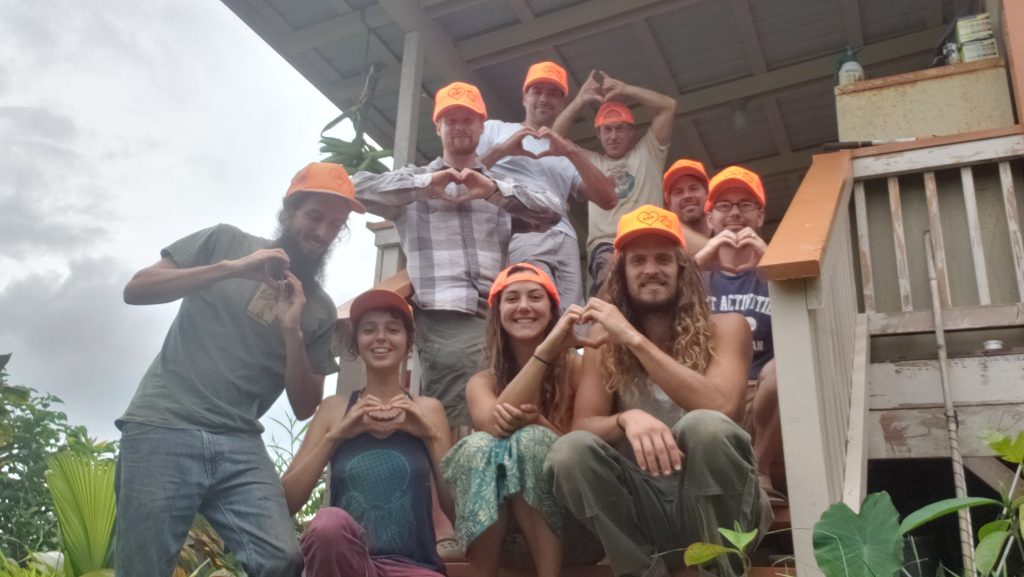
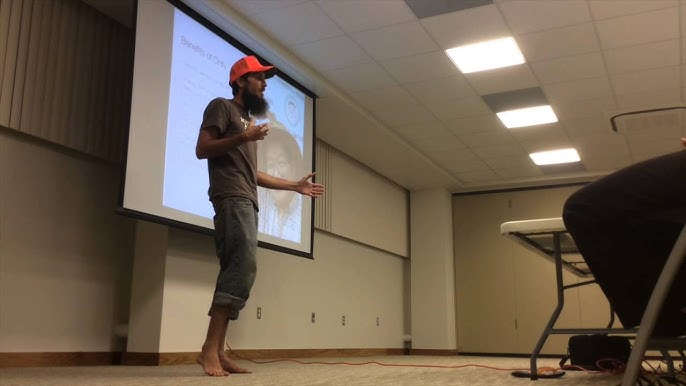
His educational work includes hands-on trainings, farm demonstrations, workshops, videos, reference materials, community gatherings, online question-and-answer sessions, and documentation from natural farming practitioners and farms.
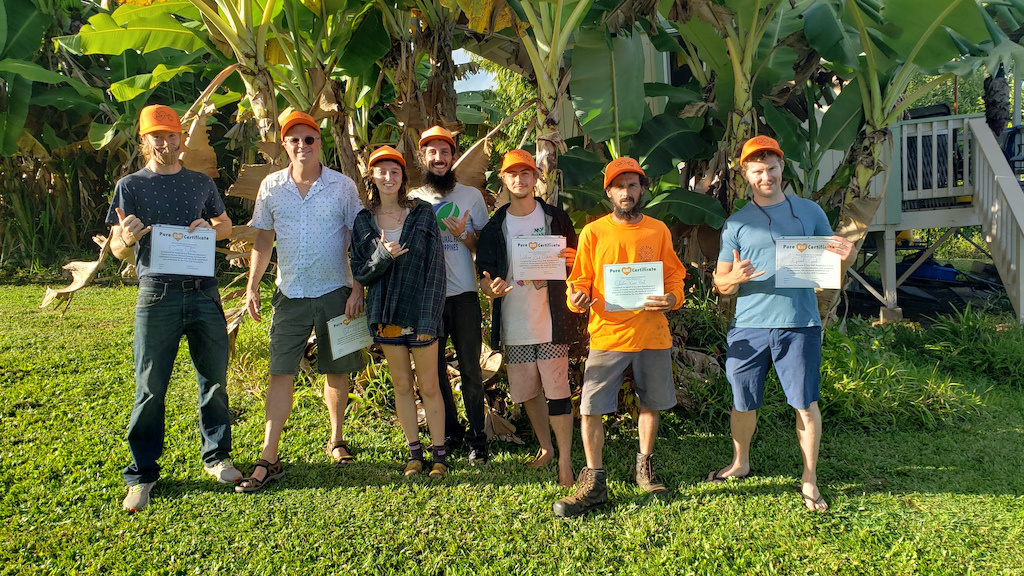
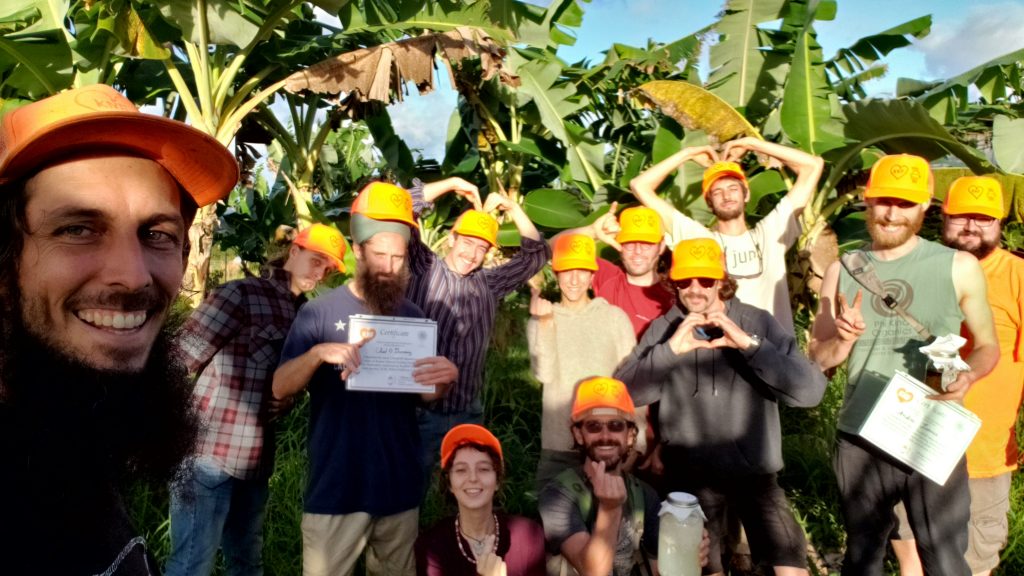
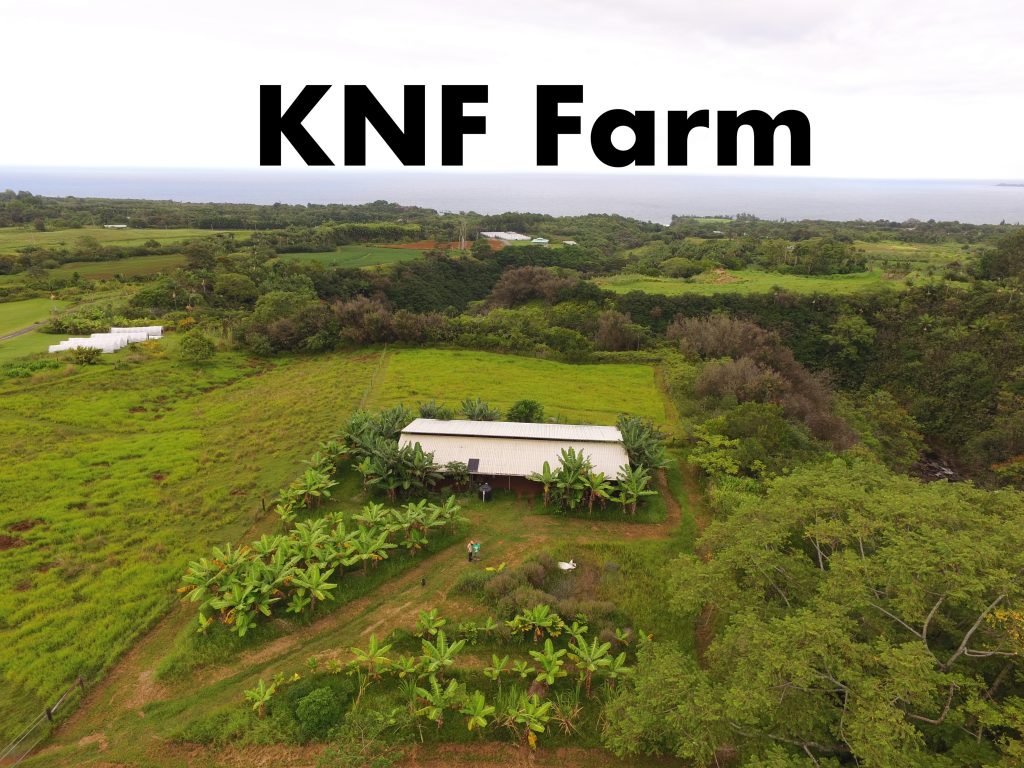
At KNF Farm in Papaʻikou, students can learn the foundations of Korean Natural Farming through immersive training and certification programs covering the system’s core preparations and their application.
Those teachings include working with indigenous microorganisms and preparations such as fermented plant juice, lactic acid bacteria, fish amino acids, water-soluble calcium, water-soluble calcium phosphate, herbal nutrients, vinegar, and mineral inputs.
The goal is not simply to memorize recipes.
It is to better understand the relationships between soil, microorganisms, plants, animals, nutrients, climate, and the farmer caring for them.
Keeping Natural Farming Knowledge Moving
A meaningful part of Drake’s work has been documentation.
Through years of videos, workshops, demonstrations, interviews, farm visits, and educational materials, natural farming knowledge that might otherwise remain within an individual farm or classroom can continue traveling from grower to grower.
That work continues today through the Pure KNF Foundation, which maintains educational resources and supports opportunities for people to ask questions, learn from past documentation, and deepen their understanding of Korean Natural Farming.
Free community learning has also returned to Hilo through monthly KNF gatherings, where participants explore the system through demonstrations, discussion, shared experience, and potluck.
It creates something agriculture has always depended upon:
farmers teaching farmers.
Why This Matters in Hawaiʻi
Hawaii’s farmers operate within an island food system where many agricultural supplies—as well as much of the food consumed here—must travel considerable distances before reaching our communities.
Practices that help growers better understand soil biology, cycle locally available materials, develop on-farm resources, and share knowledge with one another can contribute to a more resilient local agricultural system.
Natural farming is not one answer to every agricultural challenge, and different farms, crops, soils, climates, and communities require different approaches.
But the knowledge being practiced and shared through Hawaii’s natural farming community gives growers another set of tools to explore as they care for their soil, produce food, and strengthen their farms.
Learn & Participate
🌱 Learn Korean Natural Farming
Explore educational materials covering KNF principles, preparations, microorganisms, nutrient cycling, and practical applications.
🧑🏽🌾 Attend a Training
KNF Farm periodically offers immersive Korean Natural Farming training and certification in Papaʻikou on Hawaiʻi Island.
🤝 Join the Community
Connect with other growers and practitioners through community learning opportunities, including the Hilo KNF monthly gatherings.
🎥 Explore the Knowledge Library
Watch demonstrations, farm visits, classes, discussions, and other documentation developed through years of natural farming education.
❓ Ask & Keep Learning
Pure KNF maintains resources for growers who want to continue learning, troubleshoot challenges, and deepen their understanding of the system.
Stewardship in Practice
Healthy farms begin with relationships—with soil, water, microorganisms, plants, animals, farmers, teachers, and the communities that ultimately depend upon the food being grown.
When agricultural knowledge is practiced, documented, shared, questioned, and passed forward, it becomes more than information.
It becomes a resource another farmer can use.
Mahalo to Drake and to the farmers, teachers, students, researchers, practitioners, and communities who continue sharing knowledge and strengthening Hawaii’s capacity to grow food.