Lahaina: Venice of the Pacific and the Tragic Journey to Today
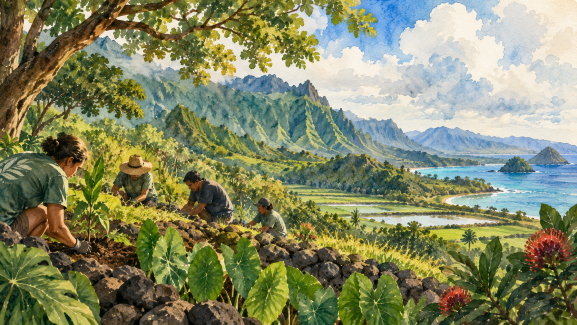
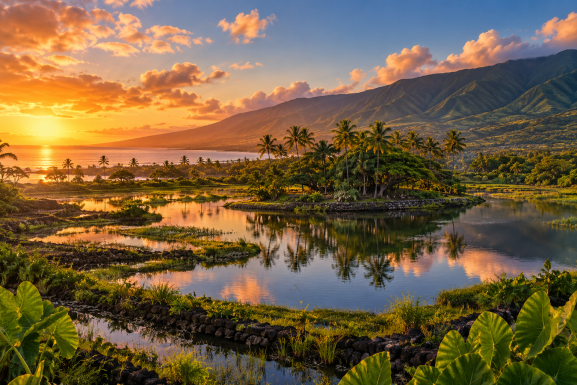
Long before it became a popular tourist destination, Lahaina was known as the “Venice of the Pacific,” a town surrounded by vibrant canals, rich wetlands, and thriving fishponds. The intricate network of waterways, fed by the surrounding streams, sustained the ecosystem and supported the livelihoods of the Native Hawaiian people. Lahaina was not only a vital hub for culture and community but also served as the royal capital of the Hawaiian Kingdom in the 1800s, with King Kamehameha III residing at Mokuʻula, a sacred island in Mokuhinia Pond.
These canals, combined with the surrounding taro patches and lush environment, made Lahaina a unique and beautiful sight. It was a center of Hawaiian governance, spirituality, and ecological balance. The waterways intertwined with the daily lives of the Kanaka Maoli (Native Hawaiians), connecting the people with the land and sea in a harmonious flow of life.
However, in the late 19th and early 20th centuries, significant changes altered the course of Lahaina’s history. With the rise of the sugarcane industry, waters that once flowed into the town’s wetlands were diverted to irrigate sugarcane fields. Lahaina’s ecological balance was severely disrupted, and its once-thriving canals began to dry up. Local politicians, as part of efforts to modernize the town following the Hawaiian Kingdom’s illegal overthrow, encouraged residents to fill the canals with garbage, transforming the beautiful, natural landscape into what would become the foundation for the modern town of Lahaina.
By 1913, much of the canal system was buried beneath the streets, and sacred sites like Mokuhinia Pond were filled in and forgotten, replaced by baseball fields and other developments. The scars left by these changes—both ecological and cultural—remained evident for decades.
Fast forward to 2023, and tragedy struck again when wildfires ravaged Lahaina. These fires were exacerbated by years of environmental mismanagement, including overdevelopment and the diversion of water resources. The dry, overgrown landscape created the perfect conditions for the fires to spread rapidly, destroying much of the town, including cultural landmarks and homes. The fire also highlighted the broader issues of climate change, resource exploitation, and a long history of disregarding Native Hawaiian rights and land management systems.
For many, the destruction of Lahaina in the fires is a symbol of the long-standing imbalance between development interests and the natural world. Efforts are now underway to restore Lahaina, not just in terms of rebuilding structures, but also in terms of healing the land and returning it to a more sustainable, balanced state. Many local leaders and cultural practitioners are calling for a revival of the wetlands and the reestablishment of sacred sites like Mokuʻula to honor Lahaina’s past and help rebuild its future.
The story of Lahaina is one of resilience, cultural loss, and hope for renewal. As we reflect on the town’s rich history as the “Venice of the Pacific,” we must also recognize the importance of respecting and preserving the natural world that once made Lahaina a thriving and harmonious place.
Mokuʻula and its surrounding fishpond in pre‑contact Lahaina, artist’s impression. Once the heart of the Hawaiian Kingdom, these waterways earned Lahaina the nickname ‘Venice of the Pacific.
Image courtesy of Honolulu Magazine / Artist: Janet Spreiter
Sources:
- Images of Old Hawaiʻi – Lāhainā Canal: imagesofoldhawaii.com/lahaina-canal
- Honolulu Civil Beat – Show Respect For Lahaina By Restoring Its Once Lush Wetlands: civilbeat.org/2023/09/denby-fawcett-show-respect-for-lahaina
- Lakota Law Project – Lāhainā Was Burning Long Before the Fire: lakotalaw.org/news/2023-09-01/lahaina-was-burning
- Hipstorical – Lahaina, Maui: hipstorical.com/2023/08/lahaina-maui