Mary Kanale Kekuewa: A Guardian of Hula and Hawaiian Cultural Legacy
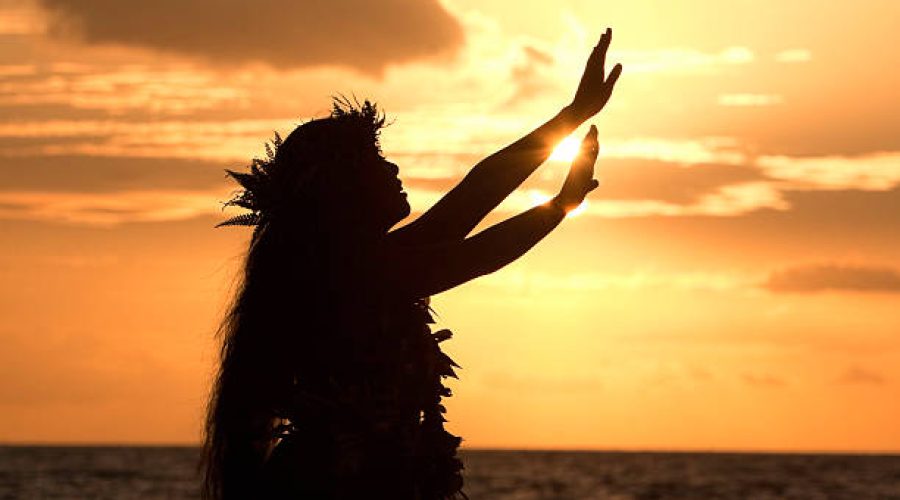
In the quiet corners of Hawaiian history, there are figures whose impact on preserving Native Hawaiian culture cannot be overstated. Among them is Mary Kanale Kekuewa, a kumu hula (master teacher of hula) whose efforts in the early 20th century helped protect the ancient art of hula and other sacred traditions during a time of great upheaval for the Hawaiian people. Her life’s work and dedication ensured that hula, the heartbeat of Hawaiian culture, survived through some of the most challenging periods in Hawaii’s history.
The Fight for Cultural Survival
After the illegal overthrow of the Hawaiian Kingdom in 1893 and the subsequent annexation of Hawaii to the United States, many aspects of Hawaiian culture were marginalized. Public performances of hula, once a revered and sacred expression of storytelling, genealogy, and spirituality, were banned under missionary influence. Those who practiced hula did so at great personal risk. Despite these suppressions, Mary Kanale Kekuewa, along with other kumu hula, was unwavering in her commitment to keeping the traditions alive.
While many of her contemporaries were forced into secrecy, Kekuewa ensured that hula continued to be taught to select students in safe, secluded spaces. These small gatherings became hubs of cultural preservation, where sacred chants, dance movements, and ancient wisdom were passed down in their true form. Hula wasn’t just a performance—it was a living embodiment of Hawaiian history, land, and identity.
A Legacy of Resistance and Aloha
Kekuewa’s dedication to hula and Hawaiian culture was deeply intertwined with her identity as a Kanaka Maoli (Native Hawaiian). She understood that hula was more than just a dance—it was a way to connect with the ancestors, honor the natural world, and resist the forces of colonization that sought to erase Hawaiian identity. Through her teachings, she instilled in her students the importance of pride in their Hawaiian roots and a deep respect for the land and their heritage.
Her collaboration with other cultural leaders like Edith Kanaka’ole helped to create a movement of cultural revitalization that continues to flourish today. Organizations like the Edith Kanaka’ole Foundation have built upon the foundations laid by Kekuewa, ensuring that future generations have access to the teachings, philosophy, and practices of traditional hula.
Honoring Her Memory
Today, hula is recognized worldwide as a symbol of Hawaiian pride and resilience, and much of that recognition is due to the efforts of quiet warriors like Mary Kanale Kekuewa. She, and those like her, defied oppressive laws and ensured that the spirit of aloha and the stories of the Hawaiian people would never be silenced.
As we honor her legacy, we must remember the risks she took to protect what was sacred. Every time a dancer steps onto the stage at the Merrie Monarch Festival, or when a kumu hula shares their wisdom with a new generation, the spirit of Mary Kekuewa lives on. She reminds us all of the enduring power of hula—not just as an art form, but as a lifeline to the ancestors, the land, and the future of Hawaii.
E ola mau ka hula—may hula live forever, thanks to the courageous hearts like Mary Kanale Kekuewa who refused to let it die.